Category: Wellness

  • The Body Takes the Shape of the Work We Do

    “The chains of habit are too weak to be felt until they are too strong to be broken.” — Samuel Johnson

    A man walks into a Gym and the Coach tells him:

    “You walk like you’re drunk.”

    No, it’s not the start of a terrible Dad Joke, it’s a comment that one of the best coaches I had ever worked with made to me.

    He told me to face the mirror and look. It was literally staring me in the face but I had never noticed. I mentioned it to friends and family who casually confirmed it. It turns out I was the only one not in on this secret.

    Three decades of cutting hair had shaped my body the way centuries of water had carved out the Grand Canyon. Slowly, incrementally, imperceptibly. My left shoulder was higher than my right. My hips were twisted slightly and my pelvis was tilted.

    How had I missed this? What other skeletons were in my closet that had slipped by?

    So I started paying attention.

    And once I did, I began to see things I had never really considered before.

    My weight didn’t sit evenly through both feet. It tended to drift to my right side. My right hip sat slightly differently to my left. Even the way I moved around felt a little off balance.

    None of it had happened suddenly. And none of it caused immediate pain.

    It was simply the result of something much quieter.

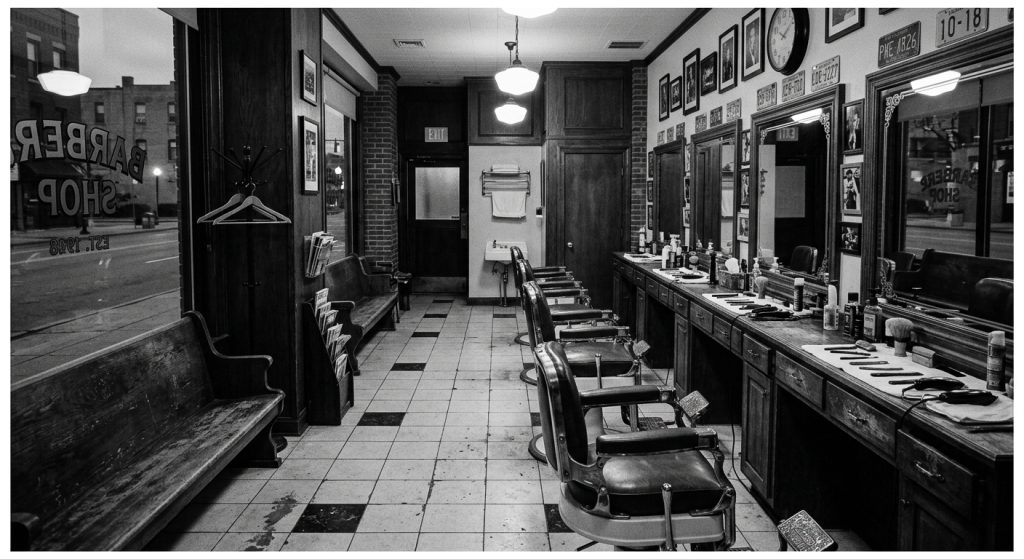
    Thirty-four years behind a barber’s chair.

    What repetition looks like in real life

    Most people don’t think of barbering as physically repetitive in a way that shapes the body.

    But when you break a day down, it is.

    We lean into cuts.

    We reach across the chair.

    We step around the same space hundreds of times.

    We shift our weight to see a better angle.

    We turn in the same directions over and over again.

    Individually, none of those movements mean much.

    But repeated thousands of times a year, for decades, they begin to add up.

    And the body doesn’t ignore repetition.

    It adapts to it.

    Not because it’s failing, but because it’s efficient.

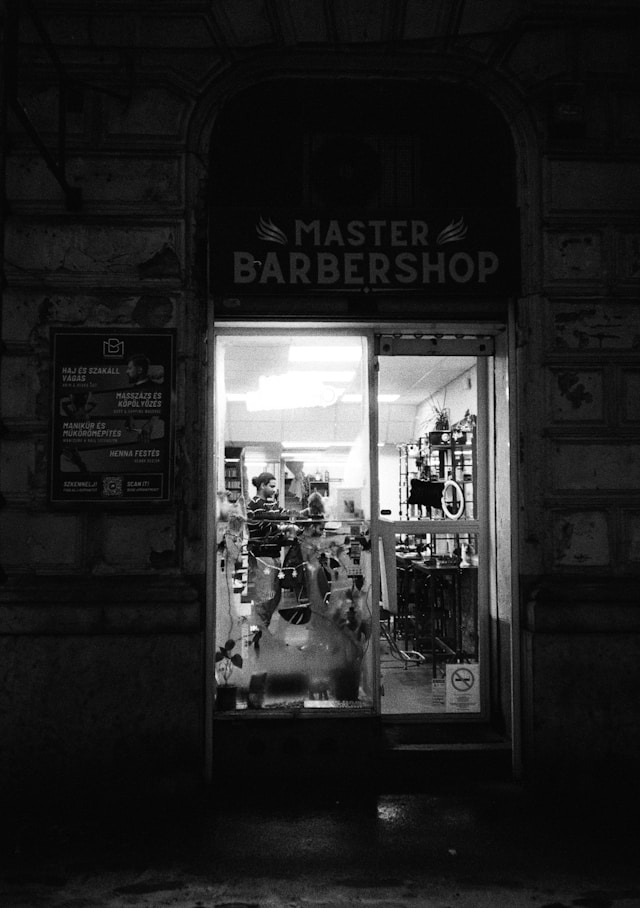
    Photo by Richard Stachmann on Unsplash

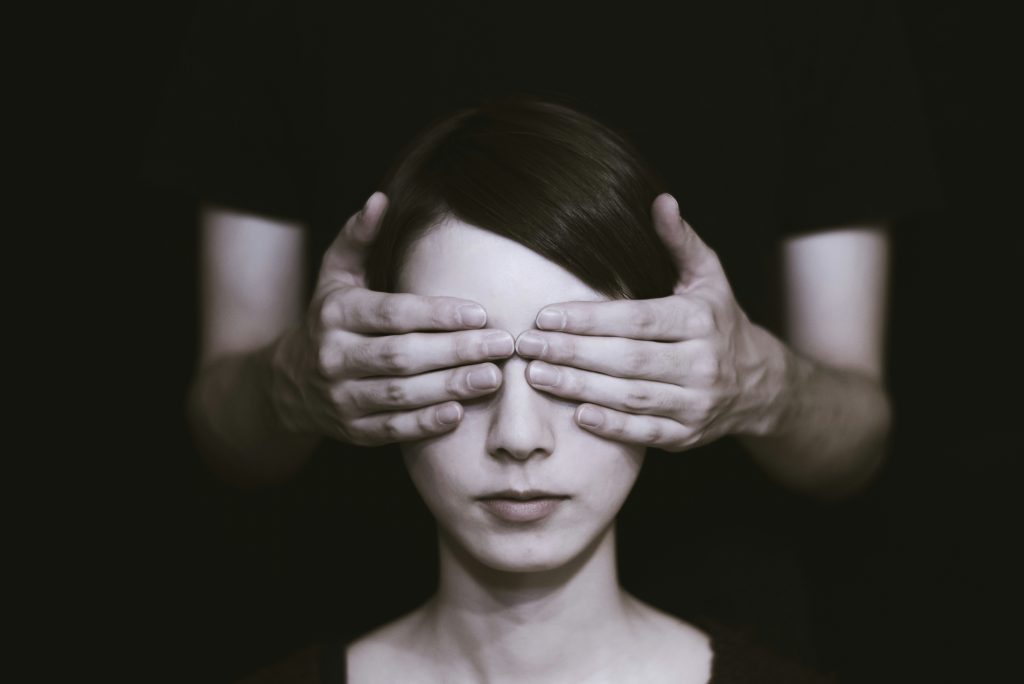
    Becoming aware of what you’ve always done

    What surprised me most wasn’t what I noticed about my stance.

    It was the fact that I had never noticed it before.

    Once I became aware of how I stood, I started noticing other things too.

    How I loaded one leg more than the other without thinking about it.

    How my hip would naturally rotate into a familiar position when I was working.

    How my weight shifted across my feet depending on where I was in the shop.

    And how all of that seemed to influence the way my knees and ankles were working beneath it.

    None of this came from a formal assessment or a structured plan.

    It came from simply paying attention.

    Photo by Buddha Elemental 3D on Unsplash

    Everything is connected

    One of the things barbering teaches you, if you pay attention long enough, is that nothing really works in isolation.

    How you stand affects how you move.

    How you move affects how you distribute weight.

    How you distribute weight affects how your joints behave.

    Not in a dramatic or immediate way.

    But gradually.

    Quietly.

    Over years.

    That doesn’t mean every ache or imbalance has a simple cause. The body is far more complex than that.

    But it does mean that small, repeated habits are never neutral.

    Photo by Hari Perisetla on Unsplash

    The shift that changed things for me

    I didn’t try to fix anything after that conversation.

    I didn’t start a new routine or go looking for exercises.

    What changed first was awareness.

    I started noticing how I moved around the chair.

    Whether I was always stepping in the same direction.

    Whether I was leaning when I didn’t need to.

    Whether I was adapting my body to the position of the client instead of adjusting the client’s position to suit me.

    That was the shift.

    Not correction.

    Just awareness.

    Moving with a bit more intention

    Over time, that awareness changed how I worked.

    I walk around the chair a bit more now instead of always reaching.

    I change my stance more often during the day.

    I notice when I’ve been loading the same leg for too long.

    I reset my position between clients without thinking too much about it.

    None of it is dramatic.

    Most clients wouldn’t notice any difference at all.

    But I notice it.

    And more importantly, my body notices it by the end of a long week.

    A career built on repetitions

    As barbers and hairdressers, we often measure progress in skill.

    Better fades.

    Cleaner lines.

    Faster work.

    More confidence.

    But while we’re improving our craft, our bodies are also learning something.

    They’re learning from repetition too.

    Every working day is quietly teaching them how to move, how to stand, and how to load weight.

    The question is not whether the body is learning.

    It is.

    The question is what it is learning.

    Photo by Ryoji Iwata on Unsplash

    You can’t change what you don’t notice

    For me, the biggest lesson wasn’t about posture or symmetry.

    It was about attention.

    Because nothing really changed until I saw it.

    And once I saw it, I couldn’t completely unsee it.

    That awareness didn’t solve everything.

    But it changed how I work.

    And sometimes that’s enough.

    Not perfection.

    Just a bit more intention in how you move through the day behind the chair.

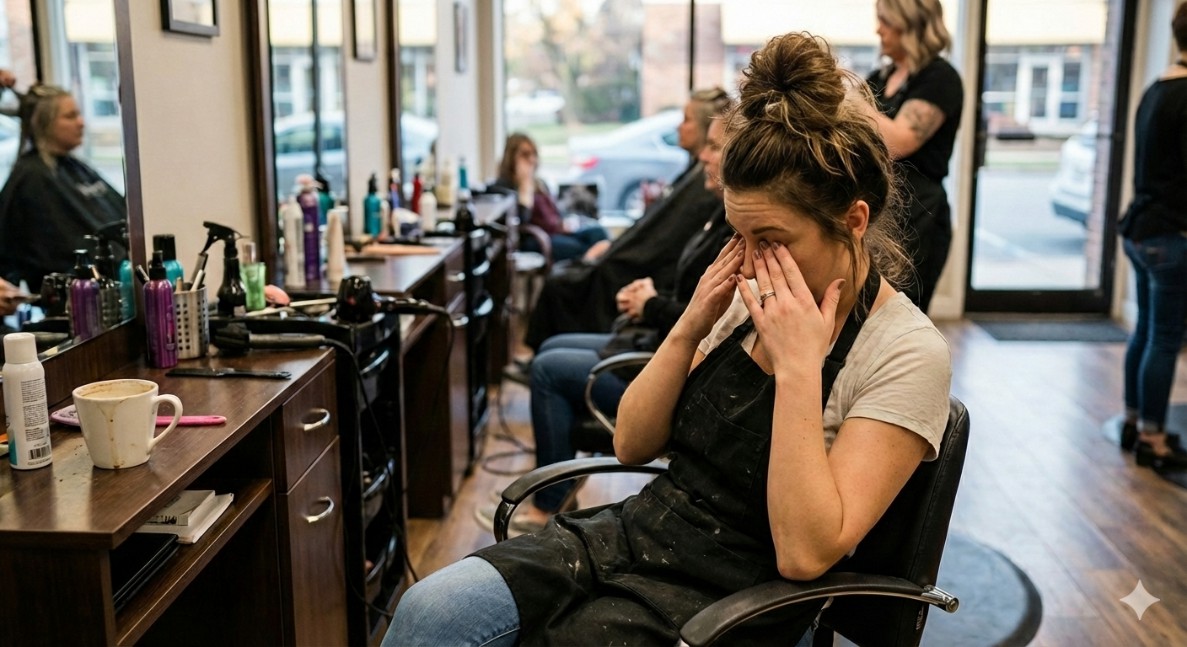
  • 5 ways to beat the salon burnout

    5 ways to beat the salon burnout

    Burnout in the salon doesn’t usually arrive all at once. It creeps in quietly. One day you notice you’re more tired than usual, a bit shorter with clients, or counting the hours until closing time. The work you once enjoyed starts to feel repetitive, your body feels heavy, and even your days off don’t quite recharge you. I’ve been there more than once.

    These aren’t miracle cures, but they’re five simple things that have helped me step back, reset, and find some balance again when salon life starts to wear me down.

    1. Get Outside and Into Nature

    I find being outside is almost the perfect antidote to the sometimes intense environment of the salon. The stillness, natural light, and fresh air are in complete contrast to the busyness, noise, and stuffiness of a bustling shop.

    If I can, I try to get off the bus or train a stop or two earlier, take a short walk at lunchtime, or head out after dinner in the evening—whatever suits my schedule that day. Ideally, I like to get it in before work. I’ve found it clears my head and sets me up far better for the day ahead.

    2. Read

    I’ve always loved reading. Books were a constant in the house I grew up in (a library room is still one of my dreams).

    That strange, bittersweet feeling of wanting to finish a book to see what happens, while also not wanting it to end because you’re enjoying it so much, never really goes away.

    Books have an incredible power to transport you to different times and places—or even let you be someone else for a while. The world outside drifts by, problems fade into the background, and your mind gets a proper break. For me, it’s the perfect disconnection, and it often leads to great conversations with clients later on. A win-win in my book.

    3. Activities or Hobbies

    Nothing focuses the mind quite like trying not to belly flop from a 7-metre diving platform—believe me. Or trying not to step on your partner’s toes at a salsa class, so I’m told.

    When you’re doing activities or hobbies like these, it’s almost impossible to think about anything other than the task at hand. You’re in completely different surroundings, with people from different backgrounds and jobs, and the repetitive nature of the salon floor is left far behind.

    Whether I’ve had a good, bad, or indifferent day behind the chair, the headspace this kind of activity gives me is invaluable—not to mention the endorphins and the chance to build new friendships.

    4. Gratitude / Journaling

    Firstly, an admission. A few years ago, at the mere mention of gratitude, I would have laughed and scoffed. It was “woo-woo” nonsense as far as I was concerned.

    Fast forward to now, and I see it very differently. It’s not, and never will be, a silver bullet—but it is a powerful and effective tool. I still have rough days, but practising gratitude helps me realise that maybe it wasn’t a bad day after all. Perhaps there were one or two speed bumps, but most of those 24 hours were actually pretty good.

    Seeing more wins than losses helps put things back into perspective.

    5. Break the Routine with Something to Look Forward To

    “How has that week flown by?” “Where has the year gone?” How often have you said something like that? I know I have—more times than I can count.

    When we settle into routine, the brain learns to systemise it to save energy. Can you remember the first haircut you ever did on autopilot? Or the details of your commute home from the salon yesterday? Unless something unusual happened, probably not. Routine becomes habit. Habit becomes forgotten.

    For the last few years, I’ve tried to break my weeks, months, and years into a series of mini adventures: a city break, a hike, a concert, even a simple lunch with a friend or loved one. It breaks the monotony, disrupts the rhythm, and creates experiences to remember. Instead of wishing time away, it’s helped me stay more present—both inside and outside the shop.

    Burnout doesn’t mean you’re in the wrong job, and it doesn’t mean you’ve failed. More often than not, it’s just a sign that something needs adjusting. None of these are big, dramatic changes, and they don’t need to be done perfectly or all at once. They’re small ways of stepping outside the rhythm of the shop, creating a bit of space, and reminding yourself that there’s a full life happening beyond the chair. The salon will always be busy. The days will always be full. Looking after your head and your energy is what makes the work sustainable—for the long run.