Blog

  • The Hand Is the Tool of Tools: Why Barbers Should Care for Their Hands

    The Hand Is the Tool of Tools: Why Barbers Should Care for Their Hands

    “The hand is the tool of tools.”
    — Aristotle

    Spoiler alert — this post begins with a spoiler, but it’s worth it.

    In Star Wars: The Empire Strikes Back, Luke Skywalker, after having a robotic hand attached to replace the one he lost to a lightsaber blow, looks at his new hand with something approaching amazement. The fingers move exactly as his own once did. The medical droid jabs the tips and he recoils instinctively.


    The way Luke studies this new hand is interesting. I wonder, did he ever give as much thought or consideration to his hands before? Have you? Have any of us? Or is it only when something goes wrong that we suddenly realise how important our hands really are?


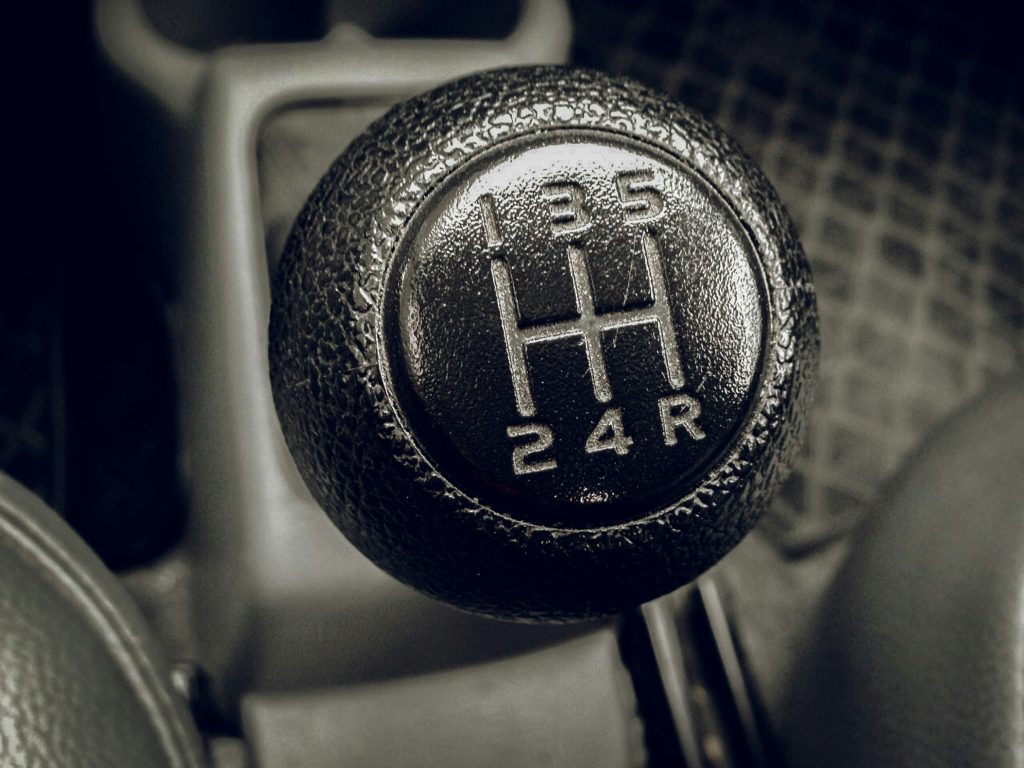
    Our hands are the physical connection to our craft. Like the transmission in a car, without it, all the power in the engine is redundant. Likewise, without our hands, the images in our heads and the wishes of our clients simply disappear into the ether.

    We move our hands, wrists, and fingers hundreds, possibly thousands, of times every day. Even more so in our profession. And yet, when you actually look at the range of movements we use, it’s surprisingly limited.

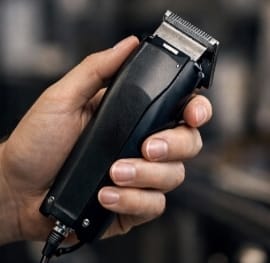
    Take using scissors as an example. The thumb does most of the work; the fingers are the supporting cast. Holding the clippers, the hairdryer, the brushes, all require some form of gripping.

    Our hands spend most of the day flexing and closing. The palm side, the flexor side, is doing the majority of the work. It happens almost without us realising, quietly increasing the potential for imbalance, stiffness, and injury over time.

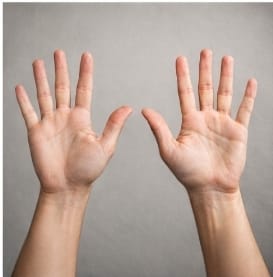
    Ask yourself this: when was the last time you fully extended your fingers and hand? When did you last give it the old jazz hands? There’s something deeply satisfying about splaying your fingers out as wide as you can, an almost exquisite sensation.

    Try it now. Spread them as wide and as far as you can. How does it feel? Good, right? Now imagine doing that after a long day of chopping and blow-drying. It’s magical.

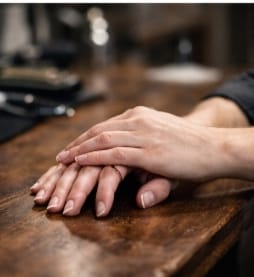
    Another fantastic, simple stretch I love, and one that can easily be done between clients, is what I call the prayer hand stretch.

    Bring your hands together as if you’re praying for something. Keep the fingers touching, then slowly separate the palms while keeping those fingers glued together. Hold it there and wait for the inevitable relief.

    I love movements like this because they’re easy, quick, and genuinely effective. So much bang for your buck. They flip the script, reintroducing movements that may have been neglected, or quietly forgotten, over time.

    Caring for our hands isn’t about adding another chore to an already busy day. It’s about professionalism. It’s about respect, for our craft, for our clients, and for ourselves. We spend years refining our eye, our technique, our taste. It makes sense to give the same consideration to the tools that allow all of that to exist in the first place.

    These small moments of movement aren’t indulgent. They’re maintenance. Quiet acts of pride that say, this work matters, and I plan on doing it well for a long time.

    Which brings me back to Luke Skywalker.

    That moment where he turns his new hand over, flexes the fingers, and really looks at it, that awareness feels familiar. Most of us don’t think about our hands when everything is working. We only notice them when something hurts, stiffens, or fails.

    The trick is not to wait for the lightsaber moment.

    If we can learn to pay attention earlier, to move, extend, and care for our hands while they’re still healthy, we don’t just protect our livelihood. We honour it.

  • 5 ways to beat the salon burnout

    5 ways to beat the salon burnout

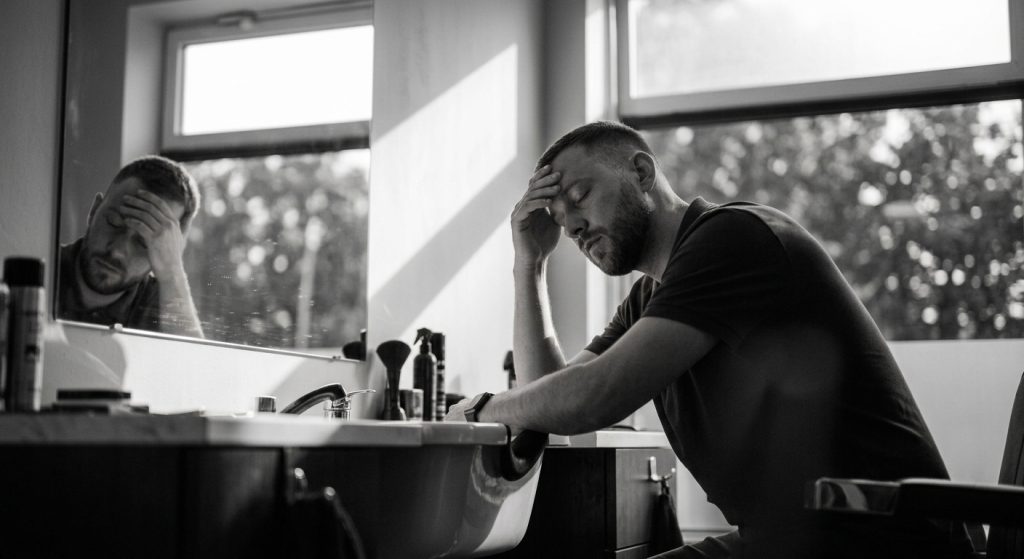
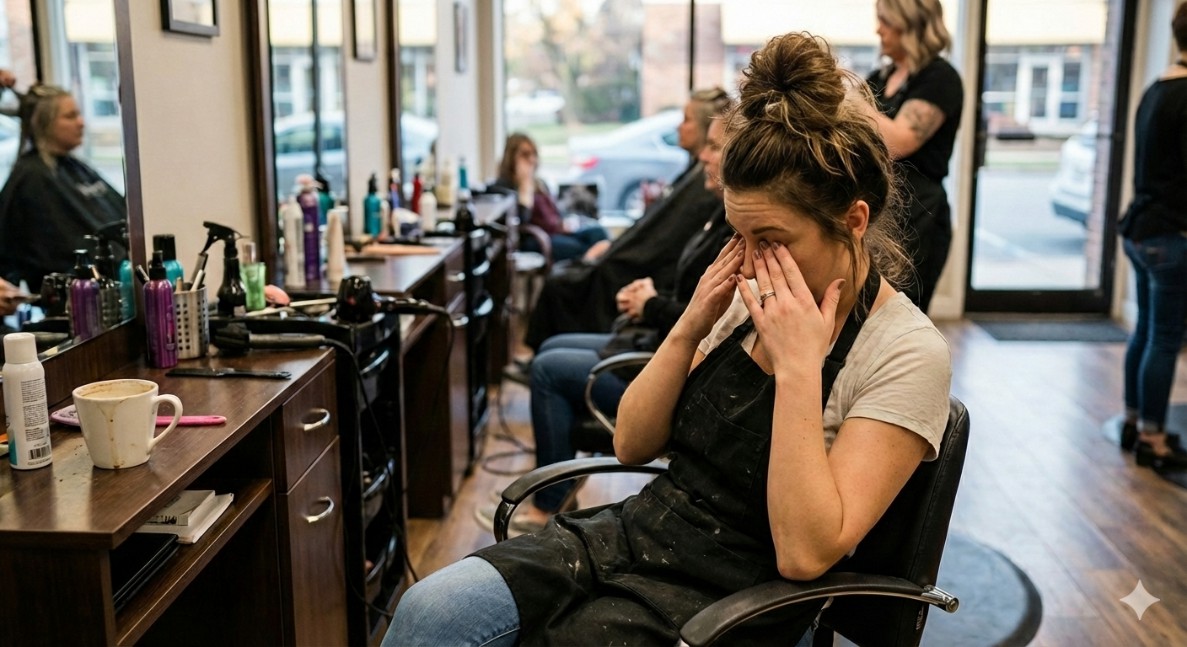
    Burnout in the salon doesn’t usually arrive all at once. It creeps in quietly. One day you notice you’re more tired than usual, a bit shorter with clients, or counting the hours until closing time. The work you once enjoyed starts to feel repetitive, your body feels heavy, and even your days off don’t quite recharge you. I’ve been there more than once.

    These aren’t miracle cures, but they’re five simple things that have helped me step back, reset, and find some balance again when salon life starts to wear me down.

    1. Get Outside and Into Nature

    I find being outside is almost the perfect antidote to the sometimes intense environment of the salon. The stillness, natural light, and fresh air are in complete contrast to the busyness, noise, and stuffiness of a bustling shop.

    If I can, I try to get off the bus or train a stop or two earlier, take a short walk at lunchtime, or head out after dinner in the evening—whatever suits my schedule that day. Ideally, I like to get it in before work. I’ve found it clears my head and sets me up far better for the day ahead.

    2. Read

    I’ve always loved reading. Books were a constant in the house I grew up in (a library room is still one of my dreams).

    That strange, bittersweet feeling of wanting to finish a book to see what happens, while also not wanting it to end because you’re enjoying it so much, never really goes away.

    Books have an incredible power to transport you to different times and places—or even let you be someone else for a while. The world outside drifts by, problems fade into the background, and your mind gets a proper break. For me, it’s the perfect disconnection, and it often leads to great conversations with clients later on. A win-win in my book.

    3. Activities or Hobbies

    Nothing focuses the mind quite like trying not to belly flop from a 7-metre diving platform—believe me. Or trying not to step on your partner’s toes at a salsa class, so I’m told.

    When you’re doing activities or hobbies like these, it’s almost impossible to think about anything other than the task at hand. You’re in completely different surroundings, with people from different backgrounds and jobs, and the repetitive nature of the salon floor is left far behind.

    Whether I’ve had a good, bad, or indifferent day behind the chair, the headspace this kind of activity gives me is invaluable—not to mention the endorphins and the chance to build new friendships.

    4. Gratitude / Journaling

    Firstly, an admission. A few years ago, at the mere mention of gratitude, I would have laughed and scoffed. It was “woo-woo” nonsense as far as I was concerned.

    Fast forward to now, and I see it very differently. It’s not, and never will be, a silver bullet—but it is a powerful and effective tool. I still have rough days, but practising gratitude helps me realise that maybe it wasn’t a bad day after all. Perhaps there were one or two speed bumps, but most of those 24 hours were actually pretty good.

    Seeing more wins than losses helps put things back into perspective.

    5. Break the Routine with Something to Look Forward To

    “How has that week flown by?” “Where has the year gone?” How often have you said something like that? I know I have—more times than I can count.

    When we settle into routine, the brain learns to systemise it to save energy. Can you remember the first haircut you ever did on autopilot? Or the details of your commute home from the salon yesterday? Unless something unusual happened, probably not. Routine becomes habit. Habit becomes forgotten.

    For the last few years, I’ve tried to break my weeks, months, and years into a series of mini adventures: a city break, a hike, a concert, even a simple lunch with a friend or loved one. It breaks the monotony, disrupts the rhythm, and creates experiences to remember. Instead of wishing time away, it’s helped me stay more present—both inside and outside the shop.

    Burnout doesn’t mean you’re in the wrong job, and it doesn’t mean you’ve failed. More often than not, it’s just a sign that something needs adjusting. None of these are big, dramatic changes, and they don’t need to be done perfectly or all at once. They’re small ways of stepping outside the rhythm of the shop, creating a bit of space, and reminding yourself that there’s a full life happening beyond the chair. The salon will always be busy. The days will always be full. Looking after your head and your energy is what makes the work sustainable—for the long run.

  • Happy Feet

    Happy Feet

    “When your feet hurt, everything hurts.”
    — Attributed to Socrates

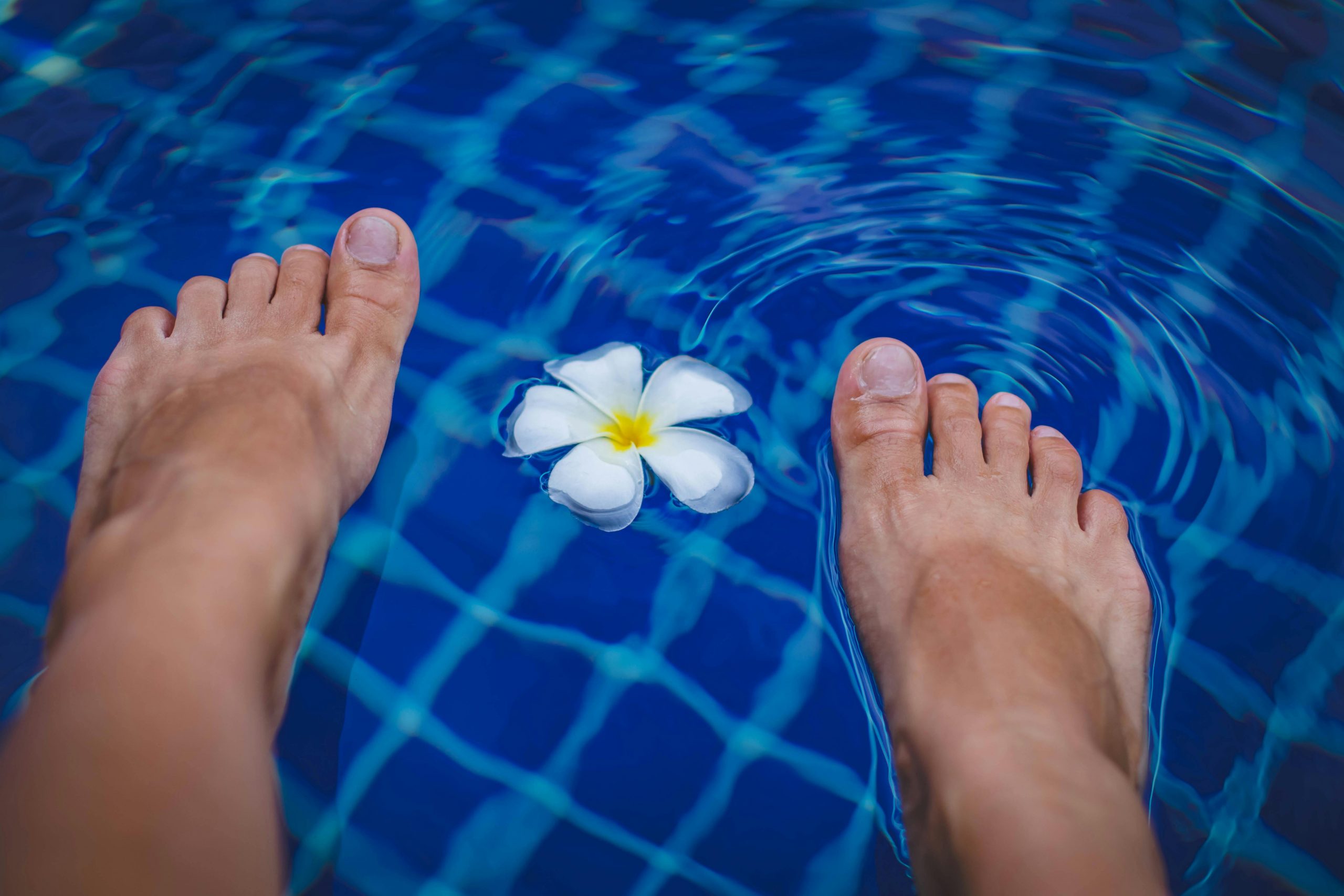
    A few years ago I spent eighteen months dealing with incredibly painful plantar fasciitis. If you’ve had it, you won’t need reminding. If you haven’t, and I sincerely hope you never do, imagine standing on a demonic mix of broken glass, razor blades, and the occasional hot poker for good measure. It became a constant, debilitating companion — like the devil on your shoulder in cartoons, but without the angel on the other side.

    That devil had a particular sense of humour. Each morning he’d wait patiently under my bed and drive a flaming trident into the soles of my feet the moment I stood up. The pain was always there — a dull, relentless presence — punctuated by sharp reminders just to keep me alert. I stood behind the chair most days trying to distribute my weight in the least painful way possible. Occasionally a client would notice me limping or comment that I didn’t seem myself. They were right. I wasn’t myself. I was fifty percent me and fifty percent plantar fasciitis. It affected me, my haircuts, my customers, and ultimately my business.

    The foot is an incredible feat of engineering — pun fully intended. Twenty-six bones, thirty-three joints, nineteen muscles, hundreds of tendons, and more nerve endings per square centimetre than any other part of the body. It’s our primary point of contact with the ground and feeds vital information to the brain about balance, posture, and movement. And yet, we give it almost no attention at all unless it hurts.

    Think about how good it feels to kick off your shoes at the end of a long day, or how often you tell colleagues you can’t wait to get home and put your feet up.

    Relief is usually our only interaction with them. But rarely do we consider how the way our feet meet the floor affects everything above them — knees, hips, back, shoulders, even the head.

    Subtle changes — and I really do mean subtle — in how weight is distributed through the feet can create significant domino effects throughout the body. A gradual loss of toe mobility, something most of us never notice, can change how the foot moves. That alters our gait, which ripples up one side of the body and often down into the opposite foot. Because these adaptations happen slowly, we usually remain blissfully unaware until pain or discomfort forces the issue.

    Standing behind a chair for eight or nine hours a day, six days a week, doesn’t leave much margin for error.

    The feet aren’t just something we stand on — they are the foundation everything else is built upon.

    When that foundation starts to crack, the rest of the structure feels it. My experience with plantar fasciitis forced me to pay attention, to slow down, and to rethink something I’d taken for granted for decades.

    This isn’t about becoming obsessive or chasing perfection. It’s about awareness. About respecting the body parts that quietly do the most work and ask for the least credit. If this piece does nothing more than encourage you to notice your feet — how they feel, how they move, how they support you — then it’s done its job. Sometimes longevity in this craft starts from the ground up.

  • Top 5 Reasons to Get Fit for the Salon

    Top 5 Reasons to Get Fit for the Salon

    “Everything works when we do.” — Maya Angelou

    Picture two scenes.

    It’s been a busy week. A full book. Back-to-back appointments. A couple of skipped lunch breaks. It’s Saturday evening, and you’re due to head out for a friend’s birthday.

    Scenario one:

    You’re exhausted. Your lower back aches, your shoulders are tight, and that yoga class or gym session has been pushed down the road again. If you’re honest with yourself, you haven’t been following the same advice you regularly give to clients about looking after themselves.

    You go to the party. It’s enjoyable, but the tiredness and the nagging pain take the edge off. Before long, you make your excuses and head home early.

    Scenario two:

    You’re still tired—but it’s a different kind of tired. The good kind. The kind that comes from effort and fulfilment. You’ve been consistent with your training. You feel strong, mobile, and capable. Your diet has been mostly on point.

    It’s been a busy week, but your body has taken it in stride. You walk the walk as well as talk the talk.

    Your clients notice it. Your friends notice it too, as you bring real energy to the party that night.

    Your number one tool as a barber or hairstylist isn’t your scissors, clippers, or comb.

    It’s your body.

    If you don’t work well, no tool ever will.

    Looking after your health and fitness isn’t a luxury in this industry—it’s a necessity. Strength, flexibility, and cardiovascular fitness are the foundations that support long days behind the chair. They’re what give you enough energy left in the tank to enjoy life outside the shop.

    Fitness is often portrayed as purely aesthetic—how someone looks. But real fitness is about capacity.

    It’s about being able to do what you need to do, when you need to do it, and still have something in reserve when life throws a curveball.

    For barbers and hairstylists, fitness isn’t optional. It’s a tool for career longevity.

    1. Cardiovascular Fitness

    Oxygen is the most essential element for human life. Skip a meal—you’ll survive. Go a bit thirsty—you’ll manage. Run out of oxygen? Good luck. Cardiovascular fitness supports long days on your feet and slows the buildup of fatigue.

    2. Strength

    In the salon, strength shows up as strength endurance—the ability to exert force repeatedly over long periods. Improved strength leads to more efficient movement and less wasted energy throughout the day.

    3. Flexibility

    When a joint can’t move properly, another must compensate. Over time, this increases strain and injury risk. Given the thousands of repetitive movements behind the chair, flexibility is protective, not optional.

    4. Mental Health

    Movement releases chemicals that improve mood and reduce stress. After decades in the barbershop, I’ve learned that no matter the day, I always feel better after moving my body.

    5. Confidence

    Confidence is built through small victories. Each workout or walk is a vote for the person you want to become. That confidence shows up in how you work, how you stand, and how others experience you.

    Fitness can be a powerful tool for taking your craft—and your career—to the next level. With consistent effort, the benefits add up quickly and are noticed by others.

    Beyond the Second Knuckle exists to explore what it really takes to build a sustainable, fulfilling life in the trade.

    Fitness and mobility are a big part of that, but they’re not the whole picture. This is a space for sharing experience, asking better questions, and learning the things that don’t get taught early on—so the work can support your life, rather than slowly shrinking it.