“ The strength of the team is each individual member, the strength of each member is the team.”
– Phil Jackson. Legendary U.S. Basketball Coach.
Success has always had the habit of hiding its best work in the shadows. We celebrate the “overnight success” that took twenty years to build blissfully aware of the toil behind the scenes of joy. We admire the finished article or performance while rarely seeing or acknowledging the hours, days and years of quiet work that made it possible. As Muhammad Ali said “ the fight is won or lost far away from the witnesses…”
Our bodies are no different. Some of the hardest working parts of the human body go unnoticed until something goes wrong. None more so than our calves, often called the body’s second heart.
Why Your Calves Matter.
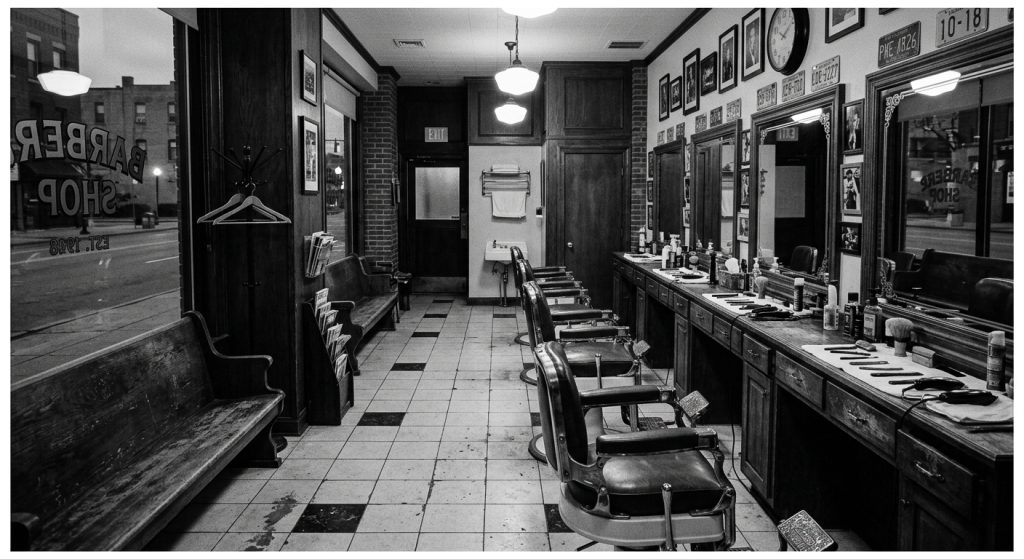
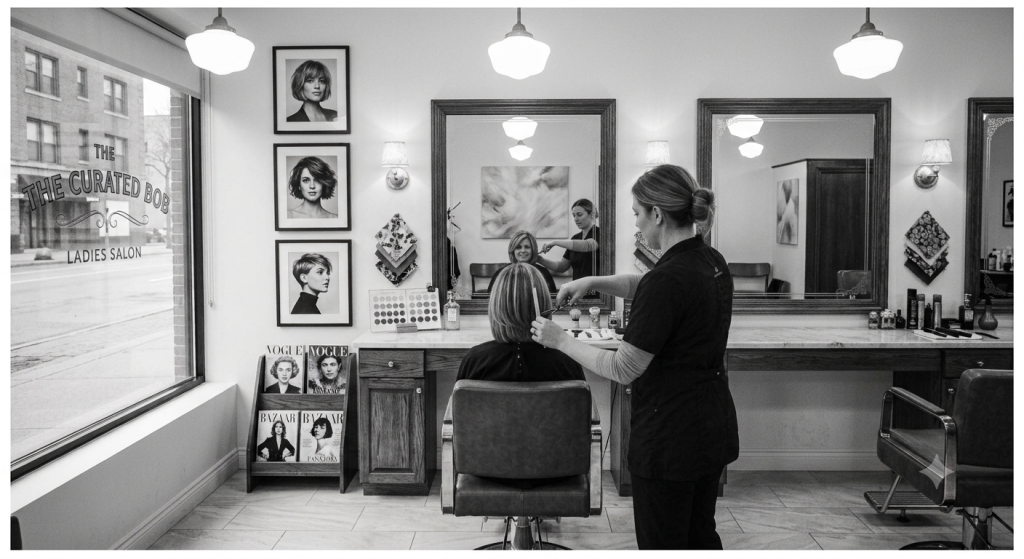
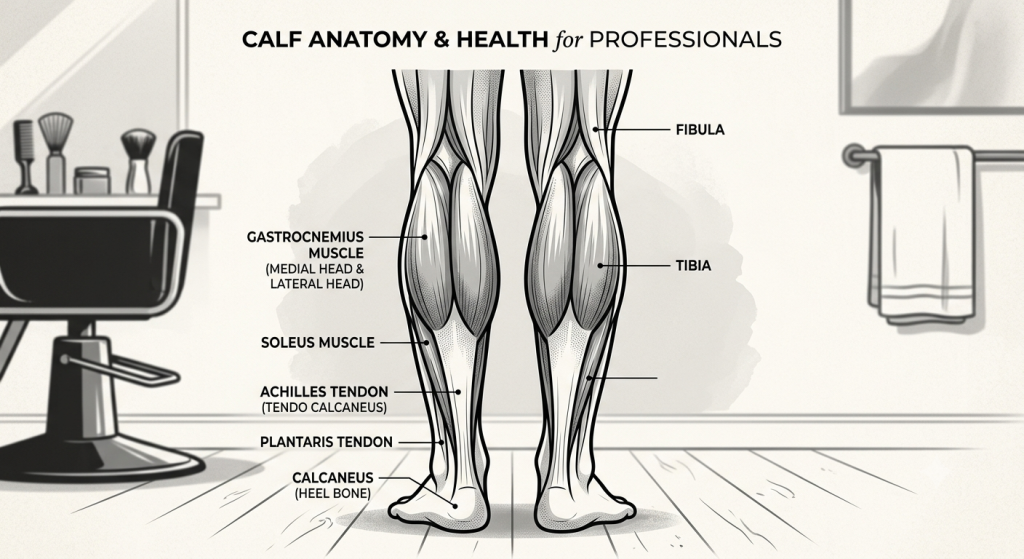
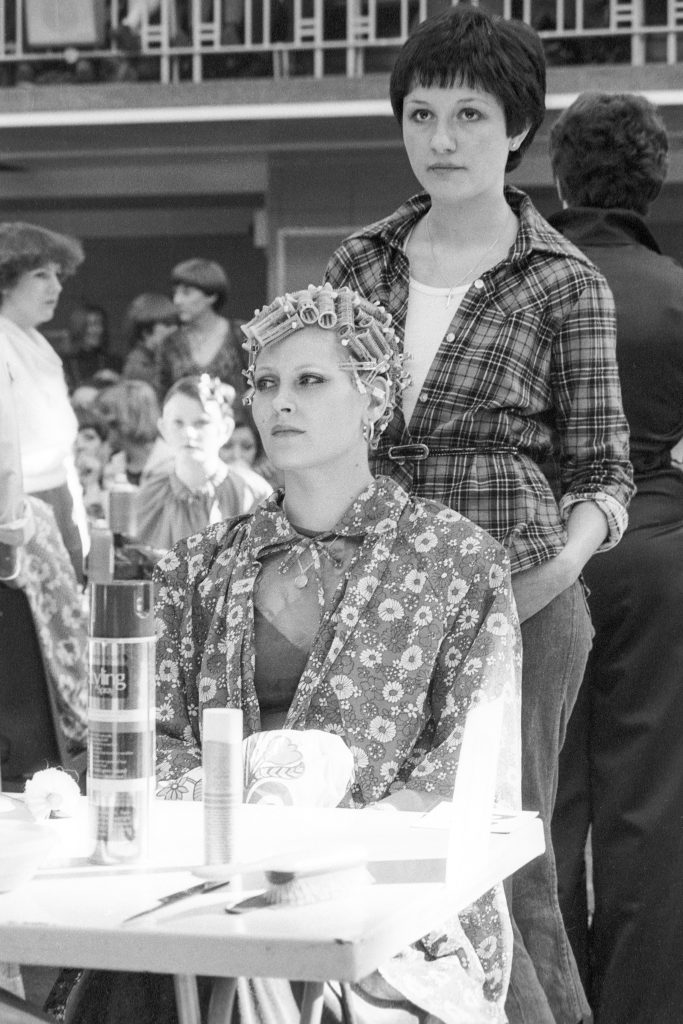
Most people think of the calves as the muscles that help us walk or run. In reality they’re working every minute we’re on the salon floor. Whether you’re stepping around the chair, leaning into a fade, colouring hair, reaching across a client or simply standing waiting for your next appointment , your calves are making thousands of tiny adjustments to keep you balanced and upright. Your calves are actually made up of two muscles working together ,the larger gastrocnemius and the deeper soleus ,connected to your heel through the Achilles tendon. These partners spend hours helping us maintain posture while standing.
The Body’s Second Heart.
Every time our calves contract they help squeeze blood back towards the heart by compressing the deep veins in the lower leg. this is often called the calf muscle pump. It helps to prevent backflow and reduces the workload on the heart. This led to them being called “ The Second Heart” . Walking, climbing stairs and regular movement activate this system. Standing still behind a chair for long periods does not, which can be a contributing factor to that heavy legged feeling, swollen ankles or tired feet at the end of a long hard day in the salon.
The Hidden Cost of Standing All Day.
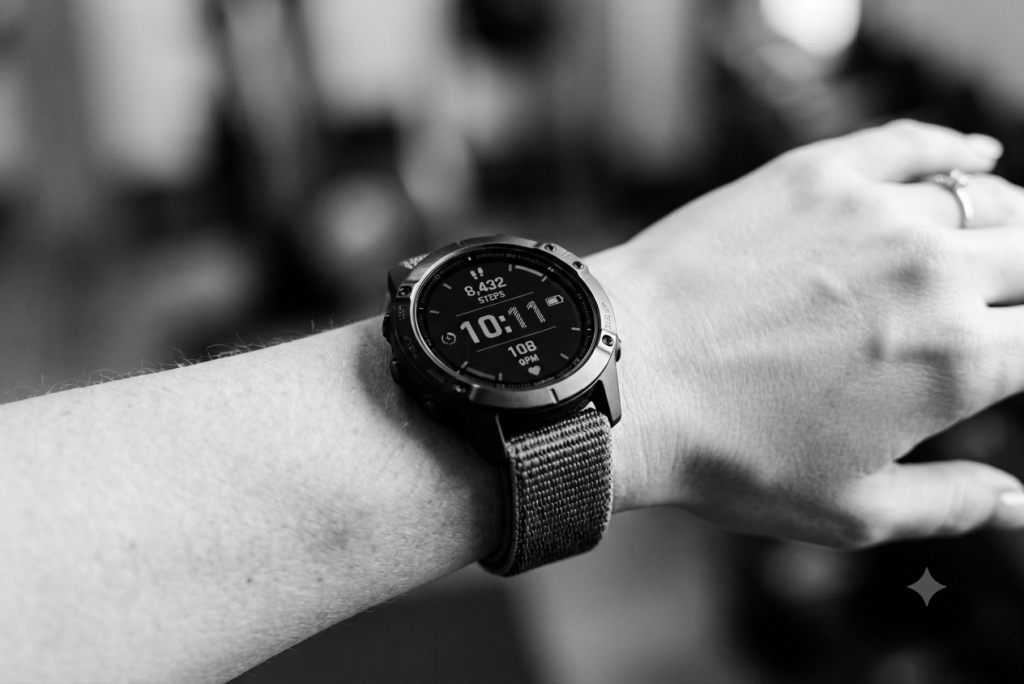
Standing and moving are not the same thing. We often work within a surprisingly small area around the chair. The first time I wore a fitness tracker I smugly thought I would SMASH the World step record. 10,000 steps? Easy. Imagine my surprise and shock when I found I had clocked less then 4,000 steps. Over time, this lack of movement and prolonged standing may contribute to tight calves, reduced ankle mobility, aching feet, Achilles irritation, heavy or swollen legs and increased pressure in the veins that may contribute to varicose veins or blood clots in people who are already predisposed.
Looking After Your ‘Second Hearts’.
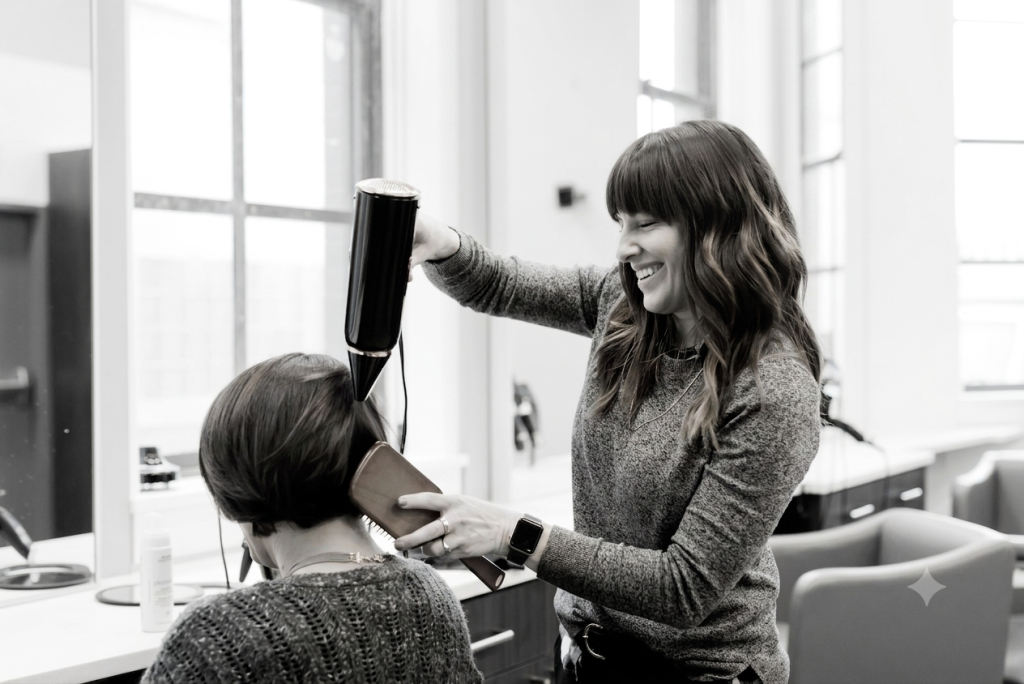
There’s no magic bullet or exercise, but small changes and habits can make a big difference : a small walk between clients if possible, change your stance, a few calf raises behind the chair between clients, stretch at the end of the day, strengthen your calves as part of your regular training and good footwear will go a long way.
I’ve spent over 30 years behind a Barbers chair. Looking after your body doesn’t require perfection, it doesn’t require complicated routines and it’s not even about aesthetic’s. More often, it’s about paying attention to the quiet workers that support you every day.
The people in your chair may never notice your calves, and that’s fine, but if you look after them they will quietly and efficiently carry you through another busy week behind the chair. Success isn’t only built by the work everyone sees. Sometimes it’s built by the parts nobody notices, including the two muscles that quietly carry you through every day behind the chair.
Look after your second hearts, and they’ll spend a lifetime looking after you.